Despite decades of progress toward economic equality, the global gender wage gap remains a persistent reality. Women around the world continue to earn less than men, highlighting not just a disparity in pay, but enduring structural and cultural barriers that demand urgent attention.
Understanding the Wage Gap
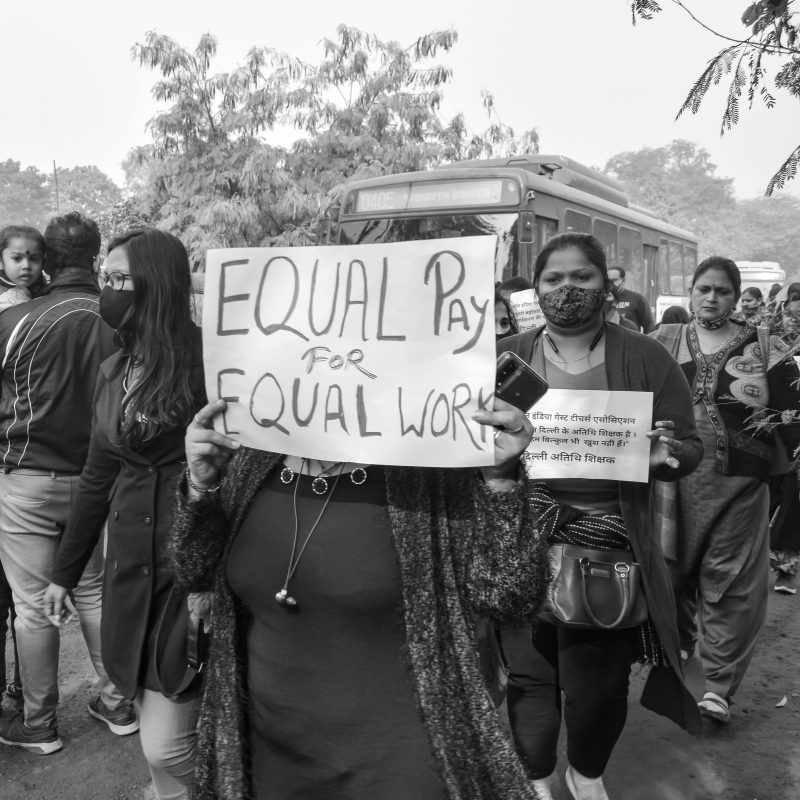
The wage gap refers to the average difference in earnings between men and women. This gap can vary greatly depending on the region, industry, level of education, and work experience. In many countries, women still earn less than men for the same work or work of equal value. Part of this gap comes from direct pay discrimination, while another part is due to structural issues such as occupational segregation and unequal access to high-paying roles.
Factors Contributing to the Pay Gap
Several factors contribute to the persistence of wage differences:
- Occupational Segregation – Women are often overrepresented in lower-paying industries such as care work, teaching, or retail, while men dominate higher-paying fields like engineering, finance, and technology.
- Career Interruptions – Women are more likely to take career breaks for caregiving responsibilities, which affects long-term earnings and career progression.
- Part-Time Work – A higher proportion of women work part-time, often due to family commitments, which limits their earning potential.
- Lack of Representation in Leadership – In many industries, women are underrepresented in top executive positions, where pay levels are significantly higher.
The Global Picture: Persistent Pay Disparities
Globally, women still earn significantly less than men for comparable work. On average, they make around 77 cents for every dollar men earn. The OECD reports a gender pay gap of about 12%–14%, varying across member countries. For instance, South Korea and Japan continue to face steep disparities, with gaps of 29.3% and 22% respectively, while New Zealand has managed to narrow this gap to around 4.2%
The World Economic Forum’s Global Gender Gap Report 2025 indicates slow global progress: just 68.8% of the overall gender gap has closed, and at current rates, full parity remains over a century away.
Growing Global Trends
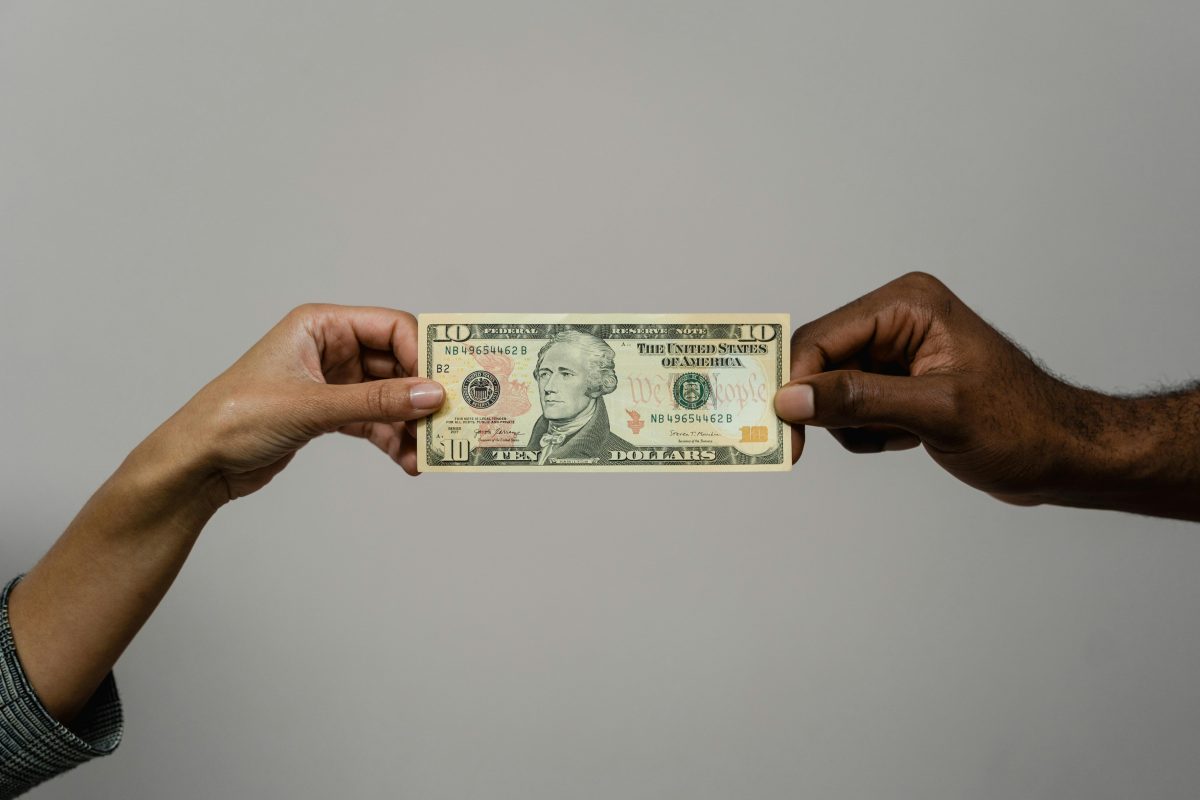
While the pay gap persists, there have been signs of gradual improvement in some regions. Countries with strong gender equality policies, better parental leave schemes, and active pay transparency laws have seen a reduction in wage differences. Additionally, as more women enter traditionally male-dominated sectors and take on leadership roles, the gap is slowly narrowing.
However, progress is uneven. In some parts of the world, cultural norms, lack of education, and weaker labor rights continue to reinforce pay inequality.
The Way Forward
Closing the wage gap requires a multi-pronged approach. Governments can introduce and enforce equal pay laws, promote pay transparency, and support policies that allow men and women to share caregiving responsibilities more equally. Employers can conduct regular pay audits, ensure fair promotion opportunities, and foster inclusive workplace cultures.
Individuals also play a role, by negotiating salaries, advocating for equal treatment, and supporting systemic change in their industries.
Conclusion
Internationally, wage differences between men and women remain a pressing issue. While progress has been made, the journey toward pay equality is far from over. By addressing structural barriers, promoting equal opportunities, and ensuring transparency in pay practices, societies can move closer to a future where gender no longer determines earning potential.
Some Links That Inspired Us:
- https://www.activesustainability.com/sustainable-development/pay-gap-what-is/
- https://asiapacific.unwomen.org/en/stories/op-ed/2022/09/the-gender-pay-gap-hard-truths-and-actions-needed
- https://www.wgea.gov.au/the-gender-pay-gap
- https://www.concern.net/news/gender-pay-gap-myths-facts-progress